
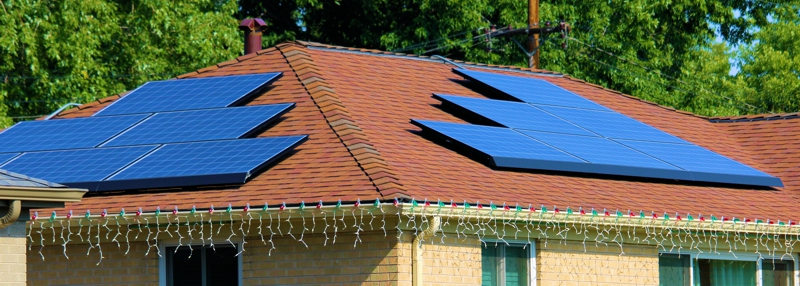
The rapid expansion of rooftop solar photovoltaic (PV) systems has introduced new challenges for forensic engineers investigating property losses. While photovoltaic technology has proven to be highly reliable, the integration of solar arrays with existing roofing systems, structural framing, and electrical infrastructure creates multiple opportunities for failures that may result in insurance claims, litigation, or subrogation. Forensic investigations involving rooftop solar systems often require a multidisciplinary approach involving structural engineering, building envelope science, electrical engineering, roofing systems, fire investigation, and construction practices. Determining the origin and cause of a reported failure frequently requires distinguishing between installation deficiencies, design errors, material deterioration, environmental loading, and unrelated pre-existing conditions.
Evolution of Rooftop Solar Installations
Commercial photovoltaic technology became practical during the latter half of the twentieth century, with residential adoption accelerating in the early 2000’s as equipment costs declined and government incentive programs expanded.
Unlike traditional roof-mounted equipment such as HVAC units or satellite dishes, photovoltaic arrays often occupy a significant percentage of the roof area and remain in service for 25 to 35 years. Their installation introduces permanent structural attachments, additional dead loads, modified wind loading characteristics, altered drainage patterns, and limitations on future roof maintenance. Consequently, rooftop PV systems have become an increasingly common component of forensic investigations involving water damage, structural failures, fire losses, and weather-related insurance claims.
Typical Scope of Forensic Investigations
Assignments involving rooftop solar installations commonly include:
• Water infiltration following PV installation.
• Windstorm damage.
• Snow and ice loading failures.
• Structural distress or excessive deflection.
• Fire origin and cause investigations.
• Hail damage assessments.
• Equipment failure analysis.
• Contractor workmanship disputes.
• Construction defect litigation.
• Professional negligence investigations.
• Builder’s risk claims.
• Property condition assessments.
The forensic engineer’s role extends beyond identifying visible damage to determining the sequence of events, identifying contributing factors, and assessing whether applicable engineering standards, manufacturer requirements, and building code provisions were satisfied.
ROOFING SYSTEM FAILURES
Water Infiltration at Attachment Points
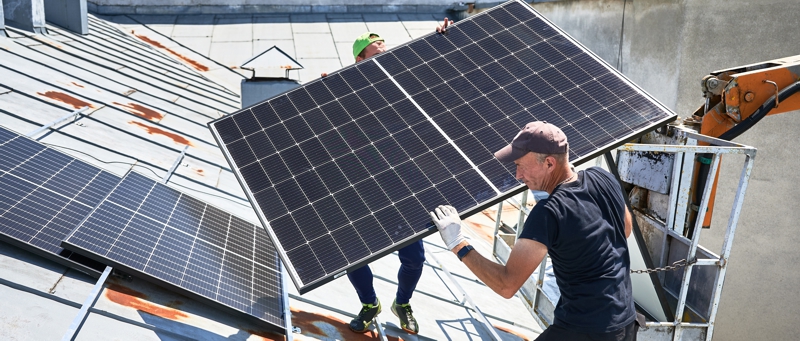
Roof leakage remains one of the most frequently encountered issues following photovoltaic installation. Most mechanically attached systems require numerous penetrations through the roof covering to secure mounting brackets to rafters or trusses. Each penetration represents a potential failure point if flashing systems are improperly installed, incompatible materials are used, or waterproofing details deviate from manufacturer recommendations
Common deficiencies include:
• Fasteners installed outside structural framing.
• Improper flashing geometry.
• Reliance on sealants in lieu of engineered flashing.
• Damaged roofing membranes during installation.
• Missing underlayment repairs.
• Inadequate slope for flashing systems.
• Improper integration with existing roofing components.
The timing of leakage often complicates causation analysis. Moisture intrusion may remain concealed within roof assemblies for months or years before staining becomes visible within occupied spaces. Accordingly, investigators should evaluate both the installation practices and the condition of the original roofing system when determining the proximate cause of loss.
Damage During Installation
Mechanical damage caused during installation is frequently overlooked. Repeated foot traffic may fracture asphalt shingles, crack concrete or clay tiles, deform standing seam metal roofing, or puncture low-slope roofing membranes. Such damage may not become apparent until accelerated weathering or subsequent storm events occur. Distinguishing installation-related damage from age-related deterioration is often an important component of insurance and litigation investigations.
Structural Engineering Considerations
Although photovoltaic systems typically impose relatively modest additional dead loads, structural failures rarely result from dead load alone.
Forensic structural evaluations should consider:
• Original structural design assumptions.
• Applicable building code edition.
• Snow load accumulation.
• Wind uplift.
• Drift loading.
• Roof modifications.
• Deterioration of framing members.
• Fastener withdrawal resistance.
• Concentrated loads at attachment locations.
• Differential loading caused by equipment placement.
Older roof systems, particularly those designed under previous code editions, may possess limited reserve capacity. In northern climates, snow redistribution around solar arrays deserves particular attention. Solar panels can alter natural snow movement, creating localized drifting or increased accumulation adjacent to mounting systems. These conditions may substantially increase loading beyond simplified design assumptions.
Wind-Induced Failures
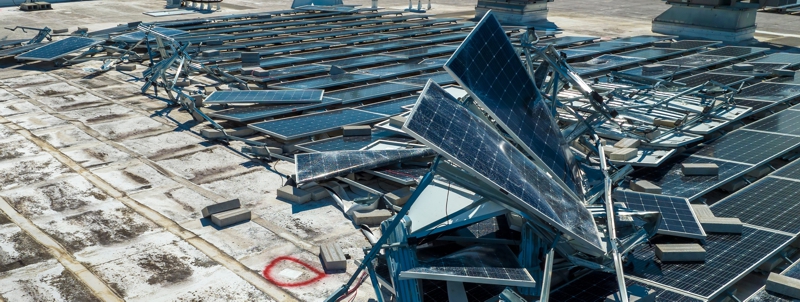
Photovoltaic arrays significantly alter rooftop aerodynamics. High wind events may generate uplift forces exceeding those experienced by the underlying roofing system alone.
Failure investigations commonly identify one or more of the following:
• Attachment directly into roof sheathing rather than framing.
• Fasteners missing rafters or trusses.
• Insufficient embedment.
• Incorrect fastener selection.
• Improper attachment spacing.
• Installation inconsistent with engineered drawings.
• Failure to account for roof edge and corner pressure zones.
The engineer should compare the as-built installation with both the manufacturer’s requirements and project-specific engineering documentation.
Building Envelope Considerations
Solar arrays modify the thermal and moisture environment of roofing systems.
Potential long-term effects include:
• Reduced solar drying beneath panels.
• Localized moisture retention.
• Biological growth.
• Differential thermal cycling.
• Uneven aging of roofing materials.
• Restricted inspection access.
Although these conditions do not necessarily result in premature roof failure, they should be considered when evaluating long-term deterioration and moisture-related claims.
Investigators should also assess whether roof drainage patterns have been altered by mounting components, conduit supports, or debris accumulation beneath the array.
Electrical Failure Mechanisms
Electrical investigations involving photovoltaic systems may include:
• Arc faults.
• Connector failures.
• Water intrusion into electrical equipment.
• Damaged conductor insulation.
• Improper grounding or bonding.
• Inverter failures.
• Overheating at terminations.
• Equipment installed contrary to electrical code requirements.
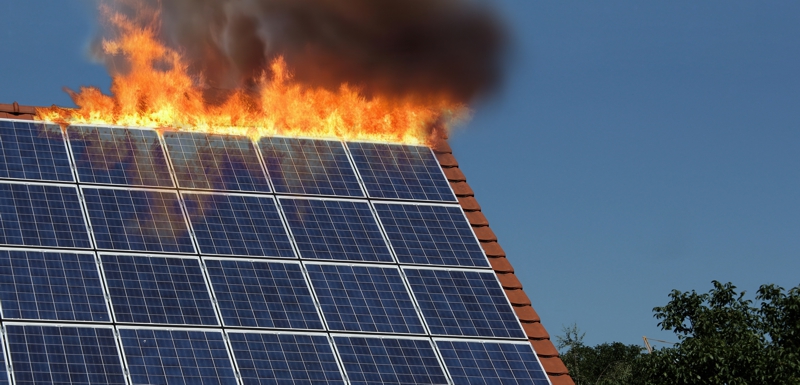
Where fire losses are involved, the photovoltaic system should be evaluated as both a potential ignition source and a factor influencing fire spread or firefighting operations. Close coordination between structural, electrical, and fire investigators is frequently necessary.
INSURANCE & LITIGATION ISSUES
Photovoltaic losses frequently involve multiple parties who may bear some responsibility for the loss, including:
• Solar installers.
• Roofing contractors.
• General contractors.
• Structural engineers.
• Electrical contractors.
• Equipment manufacturers.
• Building owners.
Accordingly, forensic investigations should clearly distinguish between:
• Design deficiencies.
• Installation errors.
• Maintenance deficiencies.
• Material failures.
• Weather-related damage.
• Age-related deterioration.
• Subsequent modifications.
Typical Failure Modes Encountered
Many claims involve multiple contributing factors rather than a single isolated cause. Forensic engineers commonly encounter the following conditions during photovoltaic investigations:
• Roof leakage associated with mounting penetrations.
• Improper flashing installation.
• Cracked roofing materials resulting from installation traffic.
• Wind damage due to inadequate attachment.
• Snow-related structural overstress.
• Fasteners installed outside framing members.
• Corrosion of incompatible metals.
• Improper cable support resulting in roof abrasion.
• Water intrusion into junction boxes.
• Thermal damage at electrical connections.
• Premature roof replacement complicated by solar array removal.
• Deferred maintenance concealed beneath photovoltaic panels.
A multidisciplinary approach often provides the most reliable conclusions, particularly where structural, roofing, electrical, and fire-related issues intersect.
Conclusion
Rooftop photovoltaic systems have become a routine feature of residential and commercial buildings, and they now represent an increasingly significant component of forensic engineering practice. Although the technology itself has demonstrated excellent long-term reliability, failures frequently arise from deficiencies in design integration, installation practices, or maintenance rather than from the photovoltaic equipment.
Successful forensic investigations require a systematic evaluation of structural performance, building envelope integrity, electrical systems, environmental loading, and construction quality. Careful documentation, engineering analysis, and a clear understanding of applicable codes and standards are essential to determining causation, allocating responsibility, and providing technically defensible opinions for insurers, property owners, legal counsel, and the courts.
Disclaimer
Although every effort is made to ensure the accuracy, currency and completeness of the information, Arcon Engineering Consultants Ltd (AECL) and the author of this article do not guarantee, warrant, represent or undertake that the information provided is correct, accurate or current. AECL and its employees are not liable for any loss, claim, or demand arising directly or indirectly from any use or reliance upon the information.