
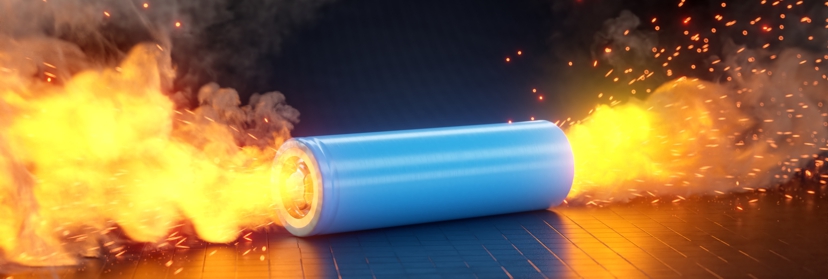
Lithium-ion batteries power much of modern life—from smartphones and laptops to electric vehicles and e-bikes. Their high energy density, rechargeability, and relatively long lifespan have made them the dominant energy storage technology of the 21st century. Yet alongside their benefits, lithium-ion batteries carry a well-documented risk: under certain conditions, they can overheat, catch fire, or even explode. Understanding why these fires occur, how dangerous they are, and how they can be prevented is increasingly important as their use continues to expand.
What Causes Lithium-Ion Battery Fires?
At the core of the issue is a process known as thermal runaway. This occurs when a battery’s internal temperature rises uncontrollably, triggering a chain reaction that releases heat faster than it can dissipate. Once thermal runaway begins, it can lead to fires, toxic gas release, or explosions.
Several factors can trigger this process:
- Physical Damage
Dropping, puncturing, or crushing a battery can damage its internal structure. When the separator between the positive and negative electrodes fails, it can cause a short circuit, rapidly generating heat.
- Manufacturing Defects
Even minor flaws—like microscopic metal particles or misaligned components—can create internal short circuits. Though rare, these defects have been responsible for high-profile recalls of consumer electronics.
- Overcharging
Charging a battery beyond its safe voltage limit can destabilize its internal chemistry. While most modern devices include protection circuits, faulty chargers or damaged batteries can bypass these safeguards.
- Exposure to High Temperatures
Heat accelerates chemical reactions inside the battery. Leaving devices in hot environments (like inside a car on a summer day) can increase the risk of failure.
- Use of Incompatible Chargers
Cheap or unregulated chargers may not properly control voltage and current, increasing the likelihood of overheating or overcharging.
Why Are These Fires So Dangerous?
Lithium-ion battery fires behave differently from typical fires:
- Rapid escalation: Once thermal runaway starts, the reaction can intensify in seconds.
- High temperatures: Fires can exceed 600°C (1112°F), making them difficult to control.
- Toxic emissions: Burning batteries release harmful gases, including hydrogen fluoride.
- Reignition risk: Even after being extinguished, damaged batteries can reignite hours or days later.
These characteristics make lithium-ion battery fires particularly challenging for firefighters and emergency responders.
Where Do These Fires Commonly Occur?
As lithium-ion batteries are embedded in many everyday devices, incidents can happen in a variety of settings:
- Consumer electronics: Phones, laptops, and tablets
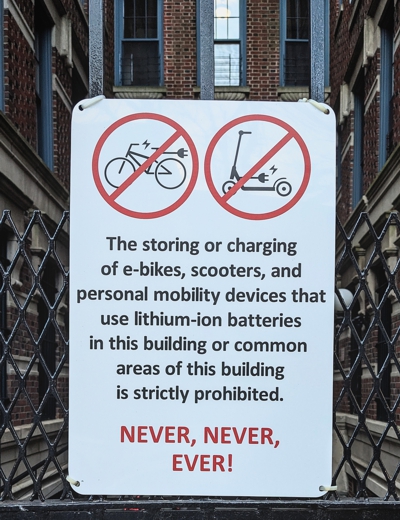
- Micromobility devices: E-bikes and e-scooters (a rapidly growing source of incidents)
- Electric vehicles: Though statistically rare, EV fires receive significant attention
- Energy storage systems: Home batteries and grid-scale storage units
Urban areas have seen a rise in fires linked to e-bike batteries, often associated with aftermarket modifications or low-quality components.
Prevention and Safety Tips
While the risks are real, most lithium-ion batteries operate safely when used correctly. Key precautions include:
Safe Charging Practices
- Use manufacturer-approved chargers
- Avoid charging devices overnight or unattended
- Keep batteries away from flammable materials while charging
Proper Storage
- Store batteries in cool, dry environments
- Avoid exposing them to direct sunlight or extreme heat
Inspect for Damage
- Do not use batteries that are swollen, leaking, or emitting unusual odors
- Replace damaged batteries immediately
Avoid Modifications
- Do not tamper with battery packs or attempt DIY repairs
- Be cautious with third-party replacements
Responsible Disposal
- Never throw lithium-ion batteries in regular trash
- Use designated recycling programs to prevent environmental harm and fire risks
The Future of Battery Safety
Researchers and manufacturers are actively working to improve battery safety. Innovations include:
- Solid-state batteries, which replace flammable liquid electrolytes with safer solid materials
- Improved battery management systems (BMS) that monitor temperature, voltage, and current in real time
- Better manufacturing standards to reduce defects
Governments and safety organizations are also introducing stricter regulations for battery production, transportation, and recycling.
Conclusion
Lithium-ion batteries are essential to modern technology, but their risks cannot be ignored. Fires are relatively rare compared to the number of batteries in use, yet when they occur, they can be severe and difficult to manage. By understanding the causes and following basic safety practices, individuals and industries alike can reduce the likelihood of these incidents and continue to benefit from this powerful technology.
Disclaimer
Although every effort is made to ensure the accuracy, currency and completeness of the information, Arcon Engineering Consultants Ltd (AECL) and the author of this article do not guarantee, warrant, represent or undertake that the information provided is correct, accurate or current. AECL and its employees are not liable for any loss, claim, or demand arising directly or indirectly from any use or reliance upon the information.