
Residential plumbing failures can range from minor leaks and fixture malfunctions to major water releases that damage building materials, finishes, and structural components. From a building science and forensic engineering perspective, these failures are particularly important because their causes may involve a combination of material deterioration, improper installation, excessive pressure, thermal effects, corrosion, and inadequate maintenance.
Common Types of Plumbing Failures
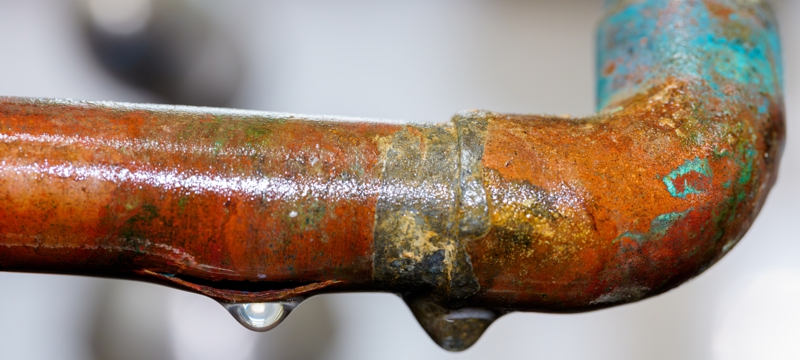
Water Supply Line Leaks
Supply piping can develop leaks at joints, fittings, valves, and along pipe walls.
Common causes:
- Corrosion and localized pitting in metallic piping.
- Defective soldered, threaded, crimped, or press-fit connections.
- Freezing and expansion of water within pipes.
- Excessive water pressure, vibration, or mechanical damage.
- Deterioration of plastic piping or connection components.
Typical consequences: Concealed water damage, wet insulation, deterioration of drywall and flooring, and potential microbial growth.
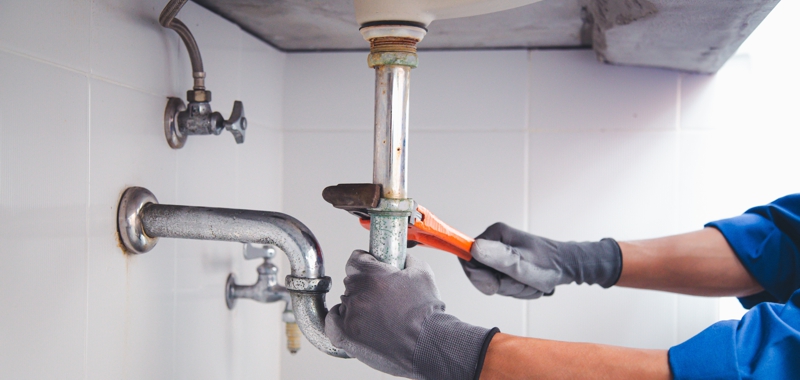
Drainage & Waste Pipe Failures
Drainage systems may leak, become obstructed, separate at joints, or fail to maintain proper drainage.
Common causes:
- Cracked or deteriorated drain piping.
- Loose, improperly assembled, or displaced joints.
- Inadequate slope, sagging, or improper pipe support.
- Blockages from grease, hair, foreign objects, or mineral deposits.
- Root intrusion into underground drainage piping.
Typical consequences: Sewage leakage, recurring backups, odours, unsanitary conditions, and damage to finishes or subfloor assemblies.
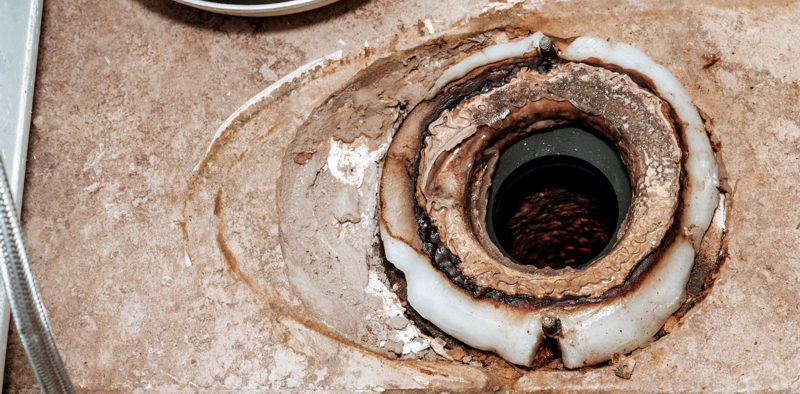
Toilet & Fixture Failures
Toilets, sinks, showers, and bathtubs contain multiple seals, valves, and connections that can deteriorate or become defective.
Common causes:
- Failed toilet wax rings or other closet seals.
- Deteriorated faucet cartridges and supply connectors.
- Failed shower pan, tub, or fixture seals.
- Loose drain assemblies and defective overflow connections.
- Cracked fixtures or improperly secured toilets.
Typical consequences: Localized leaks, concealed floor damage, deterioration of subflooring, and moisture intrusion into adjacent rooms.
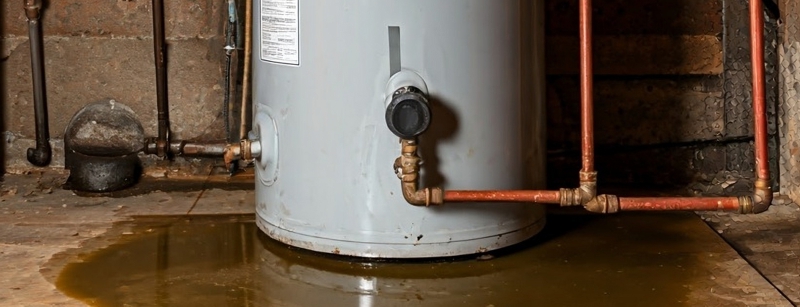
Water Heater Failures
Water heaters can leak from the tank, fittings, valves, or connected piping.
Common causes:
- Internal tank corrosion and deterioration.
- Failed temperature and pressure relief valve components.
- Defective drain valves, dielectric connections, or flexible connectors.
- Excessive operating pressure or thermal expansion.
- Improper installation or inadequate maintenance.
Typical consequences: Significant water releases, damage to mechanical rooms and finished basements, and potentially dangerous pressure or temperature conditions.
Freezing-Related Pipe Failures
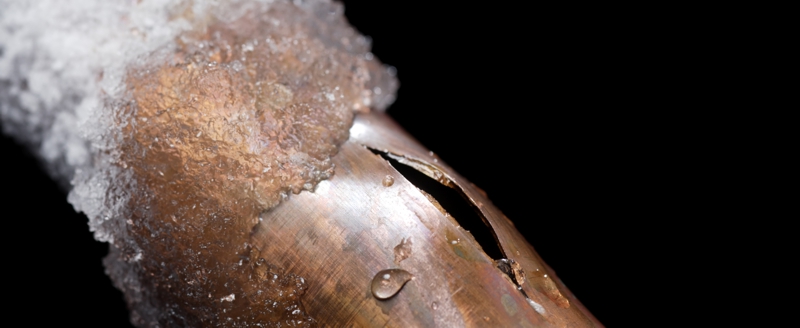
Pipes exposed to freezing conditions can rupture when water freezes and expands, or when pressure develops in a confined section of the system.
Common causes:
- Inadequate insulation around piping.
- Pipes located in exterior walls, attics, or unheated spaces.
- Loss of heating during cold weather.
- Poor air sealing that allows cold air to reach plumbing.
- Failure to drain or protect seasonal plumbing systems.
Typical consequences: Sudden pipe rupture and extensive water damage when the pipe thaws and the supply resumes.
Corrosion & Material Degradation
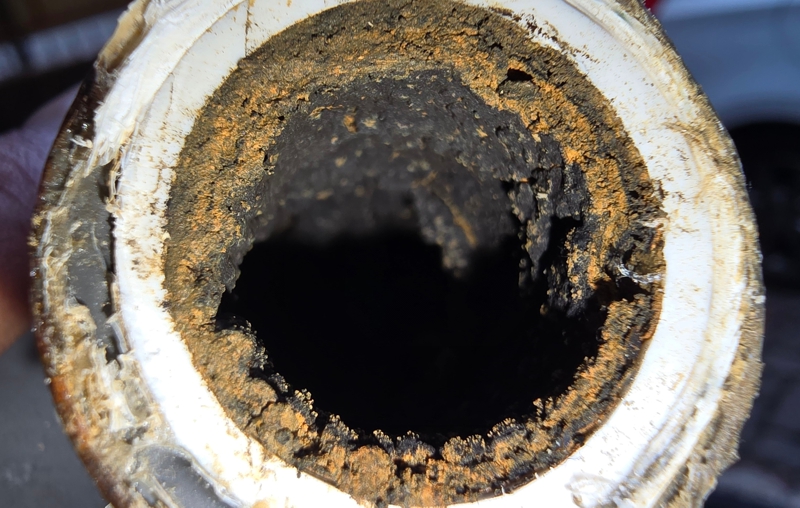
Plumbing materials may deteriorate over time through chemical, electrochemical, and environmental processes.
Common causes:
- Internal corrosion of steel, galvanized steel, or copper piping.
- Galvanic corrosion at incompatible metal interfaces.
- Erosion-corrosion associated with water flow conditions.
- Chemical degradation of seals, elastomers, and plastic piping.
- Age-related deterioration and material-specific vulnerabilities.
Typical consequences: Reduced flow capacity, pinhole leaks, weakened pipe walls, discoloured water, and eventual loss of containment.
Failure Mechanisms from a Forensic Engineering Perspective
Plumbing failures are often best understood by distinguishing the physical mechanism of failure from the condition that allowed it to occur.
Loss of containment: Water escapes through a crack, pinhole, failed seal, separated joint, or ruptured pipe. The investigation should establish the original leak location, the extent of damage, and whether the failure was sudden or progressive.
Pressure-related failure: Internal pressure, transient pressure surges, thermal expansion, or freezing-related pressure can impose stresses that exceed the capacity of a pipe or fitting.
Material deterioration: Corrosion, chemical attack, embrittlement, creep, and aging can progressively reduce the strength or leak resistance of plumbing components.
Installation or workmanship deficiency: Improper joint preparation, inadequate insertion depth, incorrect fastening, unsuitable materials, and insufficient support can create vulnerabilities that may not become apparent until years after installation.
Building movement and external loading: Differential settlement, framing movement, thermal movement, and contact with sharp or abrasive surfaces can impose loads on piping and connections that were not adequately accommodated.
Key Distinction: Cause of Failure vs Cause of Damage
In a forensic assessment, the plumbing defect and the resulting property damage are related but separate questions.
For example:
- Failure: A supply pipe develops a pinhole leak because of localized corrosion.
- Water release: The leak continues until the water supply is isolated.
- Damage mechanism: Water migrates through the floor assembly and wets the ceiling below.
- Resulting damage: Ceiling finishes, insulation, flooring, and possibly wood-based materials deteriorate.
The presence of water damage alone does not establish why a pipe failed. Similarly, evidence of corrosion does not automatically establish that corrosion was the sole cause; installation defects, pressure conditions, material properties, and other contributing factors may also require consideration.
Summary
Common residential plumbing failures involve leakage, blockage, corrosion, pressure-related damage, defective connections, fixture failures, and deterioration of underground piping. A defensible forensic conclusion should be based on physical evidence, component examination, system conditions, and a reasoned evaluation of competing failure mechanisms.
Disclaimer
Although every effort is made to ensure the accuracy, currency & completeness of the information in this article, Arcon Engineering Consultants Ltd. (AECL) and the author of this article do not guarantee, warrant, represent or undertake that the information provided is correct, accurate or current. AECL & its employees are not liable for any loss, claim or demand arising directly or indirectly from any use or reliance upon the information.